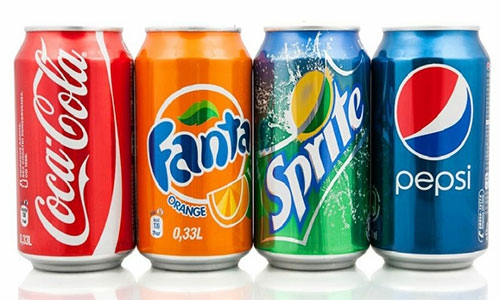
فرآیند ساخت نوشابه
Soft drink manufacturing process
تهیه مواد اولیه و آب مورد نیاز: موادی که در تهیه نوشابه الکلی استفاده میشوند عبارتند از شکر، عصاره، گاز CO2 ، اسید سیتریک، اسید فسفریک
مراحل ساخت نوشابه:
شربت خام از آب گرم و همچنین شکر تشکیل شده است. پس از انجام مخلوط سازی
و تهیه شربت، شربت خام برای گرفتن ناخالصیهای درشت وارد فیلتر فلزی شده و
پس از عبور از صافی فلزی وارد صافی کاغذ میگردد، در نتیجه اجسام بسیار
ریز در این قسمت جدا میشود. بعد از این مرحله شربت به مخازن تهیه شربت
اصلی میرود، در این محل عصاره و اسید سیتریک برای تهیه نوشابه
پرتقالی(کانادا) و اسید فسفریک برای تهیه کولا اضافه میشود و سپس بنزوات
سدیم به شربت افزوده شده و به ظرف دستگاه مخلوط کننده شربت و گاز هدایت
میشود.
اسید فسفریک جزو مواد اولیه اصلی در تولید انواع نوشابه ها میباشد
اختلاط شربت، آب، گازCO2:
اختلاط این مواد با توجه به فرمول ساخت هر نوشابه در داخل دستگاهی به
نام کربوکولر انجام میگیرد و سپس در نهایت محصول آماده که همان نوشابه
است، آماده پر شدن در بطریها گردیده که این عمل توسط دستگاه پرکن صورت
میگیرد.
آب:
آب جز اصلی نوشابههای گازدار را تشکیل میدهد. آب مصرفی نوشابههای
گازدار علاوه بر بهداشتی بودن آن از نظر شیمیایی باید کاملاً خالص باشد، در
غیر اینصورت این ناخالصیها با اجزای تشکیل دهنده نوشابه واکنش ایجاد
میکنند.
شیرین کنندهها:
شیرین کننده اصلی مورد مصرف در نوشابهها ساکارز است. نوشابه تولید شده
حاوی ۸ الی ۱۴درصد قند است. قند نه تنها خاصیت کالری زایی به نوشابه
میبخشد، بلکه پیکره و قوام نیز در آن ایجاد میکند. در تولید نوشابههای
رژیمی از ساخارین و آسپارتام به جای شکر استفاده میشود.
رنگها:
رنگهای عمدهای که در نوشابه ها مصرف میشود، بیشتر مصنوعی هستند.
رنگهای مصنوعی به دلیل خاصیت رنگ زایی زیادتر و استحکام بیشتر نسبت به
رنگهای طبیعی میوهای ارجحیت دارد. حتی وقتی از عصاره رنگی میوه ها در
نوشابه ها استفاده میشود، رنگهای مصنوعی به عنوان مکمل اضافه میگردند.
اسیدها:
اسیدها نقش مهمی در کیفیت حسی نوشابههای گوارا دارند. در فرمولاسیون نوشابهها تعادل صحیح اسید و قند باید رعایت شود.
از اسیدها در نوشابه های گازدار به منظور اهداف زیر استفاده میگردد:
۱- تشدید طعم و مزه
۲- اصلاح شیرینی قند موجود در نوشابه ها
۳- خاصیت نگهدارندگی در محصول نهایی
۴- تنظیم PH اسیدی
مصرف تعدادی از اسیدها در نوشابه های گوارا مجاز است کهاسید سیتریک و اسید فسفریک از متداولترین آن هاست.
طعم دهنده ها:
این مواد به صورت طعم دهندههای مصنوعی، عصارههای طبیعی و کنسانترههای
آب میوه وجود دارند. مواد طعم دهنده در مقابل حرارتهای بیش از ۳۸ درجه
سانتیگراد مقاوم نیستند، به این دلیل نوشابهها هرگز استریلیزه یا
پاستوریزه نمیشوند.
طعمهای حاصل از میوهجات، متداولترین طعم های مصرفی در نوشابه ها به جز کولاها هستند.
دی اکسید کربن:
کف و مزهی خاص اینگونه از آشامیدنیها نتیجه وجود گاز CO2 موجود در آن
هاست. میزان CO2 مورد استفاده در آشامیدنیها به طعم و نوع آن ها بستگی
دارد. CO2 باعث تشدید طعم، افزایش زمان نگهداری نوشابه از طریق اسیدی کردن
آن، سوزش زبان و کف کردن میشود.
بسته بندی نوشابه
در بسته بندی نوشابه از دو نوع بسته بندی استفاده میشود.
بسته بندی در ظروف پلاستیکی و بسته بندی در ظروف فلزی. البته بسته بندی
در ظروف شیشهای از سالهای گذشته متداول بوده و حجم معادل cc 300 در داخل
بسته پر میشود. در ارتباط با ظروف پلاستیکی از ظروف پلی اتیلن خاص که به
آن PET میگویند، جهت نوشابهها استفاده شده، البته دو مشکل عمده در ارتباط
با این ظروف وجود دارد. مشکل اول، مشکل زیست محیطی است که این ظروف عدم
قابلیت برگشت به طبیعت را دارند و مشکل دوم مهاجرت گازها از داخل نوشابه به
بیرون و از بیرون ظرف به داخل ظرف است. ضمن این که در طی نگهداری نوشابه
در ظروف پلی اتیلن، امکان تأثیر مواد داخل نوشابه شامل اسید و رنگ روی جدار
ظرف پلی اتیلن و آزاد شدن منومرها از مواد بسته بندی به داخل نوشابه وجود
دارد.
معمولاً ظروف فلزی از جنس آلومینیوم از بهترین ظروف است که قابلیت برگشت
به طبیعت را نیز دارد. نکته قابل توجه در مورد نوشابهها این است که درجه
حرارت مناسب و عدم تابش نور و یا شرایط مناسب رطوبت همه از عواملی هستند که
روی افزایش زمان ماندگاری و افزایش کیفیت نوشابه مؤثر هستند.
Soft drink manufacturing process
Soft drink manufacturing process
Preparation of raw materials and required water: The materials used in the preparation of alcoholic soft drinks are sugar, extract, CO2 gas, citric acid, phosphoric acid.
Steps in the preparation of soft drinks:
The raw syrup is made of hot water and sugar. After mixing and preparing the syrup, the raw syrup enters a metal filter to remove coarse impurities and after passing through the metal filter, it enters a paper filter, as a result of which very fine objects are separated in this part. After this stage, the syrup goes to the main syrup preparation tanks, where extract and citric acid are added to prepare orange soda (Canada) and phosphoric acid to prepare cola, and then sodium benzoate is added to the syrup and directed to the container of the syrup and gas mixing machine.
Phosphoric acid is one of the main raw materials in the production of various soft drinks.
Mixing syrup, water, CO2 gas:
The mixing of these materials according to the formula for making each soft drink is done inside a device called a carbocooler, and then finally the finished product, which is the soft drink, is ready to be filled into bottles, which is done by a filling machine.
Water:
Water is the main component of carbonated soft drinks. In addition to being hygienic in terms of chemistry, the water used in carbonated soft drinks must be completely pure, otherwise these impurities will react with the components of the soft drink.
Sweeteners:
The main sweetener used in soft drinks is sucrose. The produced soft drink contains 8 to 14 percent sugar. Sugar not only gives the soft drink its caloric value, but also creates body and consistency in it. Saccharin and aspartame are used in the production of diet soft drinks instead of sugar.
Colors:
The major colors used in soft drinks are mostly artificial. Artificial colors are preferred over natural fruit colors due to their greater coloring properties and greater strength. Even when colored fruit extracts are used in soft drinks, artificial colors are added as supplements.
Acids:
Acids play an important role in the sensory quality of soft drinks. The correct balance of acid and sugar must be observed in soft drink formulations.
Acids are used in carbonated beverages for the following purposes:
1- Intensifying the taste
2- Modifying the sweetness of sugar in beverages
3- Preservative properties in the final product
4- Adjusting the acidic pH
A number of acids are permitted in soft drinks, the most common of which are citric acid and phosphoric acid.
Flavorers:
These substances are present in the form of artificial flavors, natural extracts, and fruit juice concentrates. Flavoring substances are not resistant to temperatures exceeding 38 degrees Celsius, which is why beverages are never sterilized or pasteurized.
Fruit flavors are the most commonly used flavors in beverages, except for colas.
Carbon dioxide:
The foam and special taste of these types of beverages are the result of the presence of CO2 gas in them. The amount of CO2 used in beverages depends on their taste and type. CO2 intensifies the taste, increases the shelf life of the beverage by acidifying it, burning the tongue and foaming.
Beverage packaging
Two types of packaging are used in beverage packaging.
Packaging in plastic containers and packaging in metal containers. Of course, packaging in glass containers has been common since the past years and a volume equivalent to 300 cc is filled inside the package. In relation to plastic containers, special polyethylene containers called PET are used for beverages, of course, there are two major problems with these containers. The first problem is the environmental problem that these containers are not able to return to nature, and the second problem is the migration of gases from inside the beverage to the outside and from outside the container to the inside. In addition, during the storage of soft drinks in polyethylene containers, there is a possibility that the substances in the soft drink, including acid and dye, will affect the walls of the polyethylene container and release monomers from the packaging materials into the soft drink.
Usually, aluminum metal containers are among the best containers that can also be returned to nature. The noteworthy point about soft drinks is that the appropriate temperature and lack of light or appropriate humidity conditions are all factors that are effective in increasing the shelf life and increasing the quality of the soft drink.